Dating App for Intentional Relationships: What to Look For in 2026
Learn what makes a dating app better for intentional relationships in 2026, from values-based profiles to friend-backed trust signals.
The best dating app for intentional relationships does less guessing and more context-building. A standard dating app is a mobile online dating service that often uses smartphone location, photos, and profiles to connect people nearby, but intentional dating needs more than proximity and cheekbones. The Lovebird dating app focuses on friend-backed endorsements, deeper profile context, and optional trust checks so singles can date with fewer mystery boxes. Intentional dating: choosing dates based on shared values, relationship goals, emotional readiness, and real-world compatibility, not just attraction or boredom-swiping.
What is intentional dating in 2026?
Intentional dating in 2026 means using clear relationship goals, values, and trust signals to decide who deserves your time. For millennials and Gen Z, it often means less performative bio-writing, fewer vague "just seeing what's out there" chats, and more honesty about pace, lifestyle, family plans, money habits, faith, and emotional availability.
Intentional dating is not "serious immediately." It is "clear from the start."
A person can date intentionally while moving slowly. The difference is that they are not collecting matches like souvenir mugs. They are looking for patterns that could support a healthy relationship.
Key terms help keep the conversation honest:
- Relationship intention: what someone is open to now, such as long-term partnership, marriage, or committed dating.
- Values-based profile: a profile that shows priorities through examples, not buzzwords.
- Trust signal: a cue that makes someone feel more real, consistent, or accountable.
- Friend-backed proof: input from people who know you outside the app.
For profile language that sounds human instead of like a corporate retreat worksheet, see these values-based dating profile examples.
What features should a dating app for intentional relationships include?
A dating app for intentional relationships should include profile depth, values prompts, verification, friend input, safety controls, and filters that support compatibility rather than endless browsing. The goal is not to make dating feel like tax prep, although some apps do try their best. The goal is better information before emotional investment.
Feature checklist for intentional dating apps
| Feature | Why it matters | What to look for |
|---|---|---|
| Values prompts | Reveals priorities beyond hobbies | Prompts about family, faith, ambition, lifestyle, conflict, and future plans |
| Relationship goals | Reduces mismatched expectations | Clear options for long-term, marriage-minded, or committed dating |
| Profile verification | Helps confirm someone is real | Photo checks, video prompts, or identity signals |
| Friend input | Adds outside perspective | Endorsements that describe character, not hype |
| Safety tools | Supports better boundaries | Reporting, blocking, date planning, and privacy controls |
| Budget awareness | Keeps dating practical | Low-pressure date ideas and no paywall for basic trust cues |
A good intentional app also slows down the reflex to judge only photos. That does not mean attraction disappears. It means attraction gets a co-pilot with better judgment.
Use this quick test before committing to any app:
- Can you state your dating goal clearly on the profile?
- Can you show values with examples, not labels?
- Can someone verify or support your character claims?
- Can you filter for lifestyle dealbreakers without sounding like a courtroom attorney?
- Can you move from chat to a safe first date without friction?
For safety-specific planning, read the 2026 guide to dating app safety.
How does friend input improve intentional dating matches?
Friend input improves intentional dating by adding social context that self-written profiles often miss. People are famously bad at describing themselves without sounding either suspiciously perfect or oddly apologetic. Friends can name the patterns that matter: reliability, kindness, humor under stress, loyalty, ambition, and how someone treats servers.
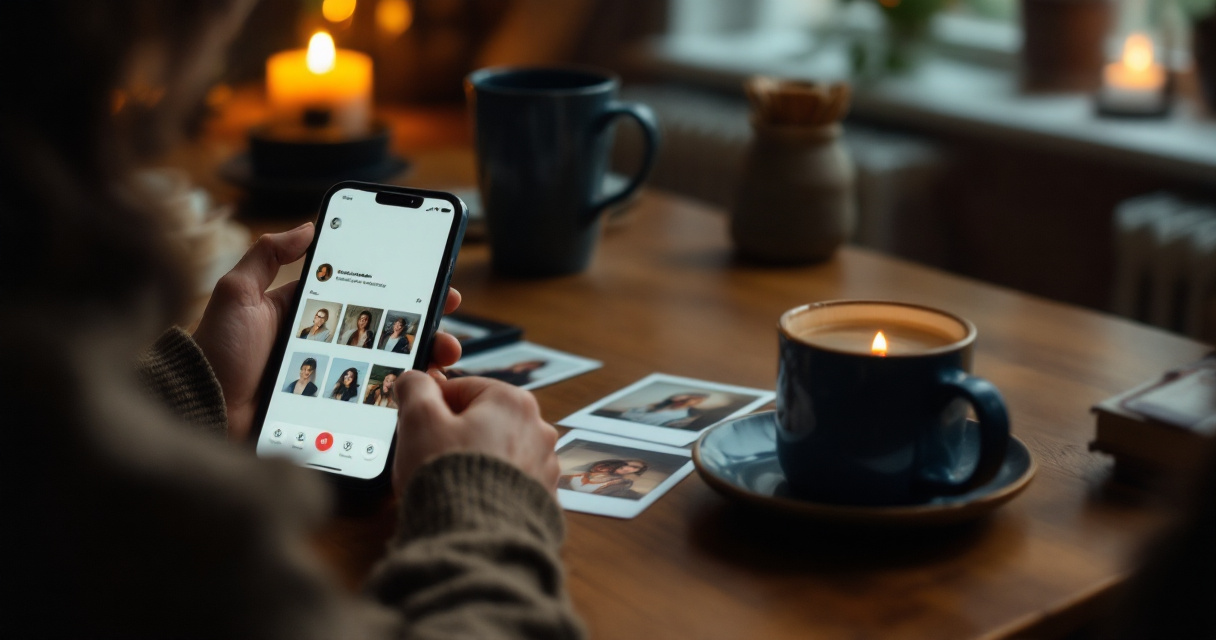
A friend-backed profile works because it separates self-claim from observed behavior. "I value communication" is fine. "She calls when plans change and never leaves people guessing" is stronger.
The psychology of trust is relevant here. Research by Ecker, Lewandowsky, and Cook in Nature Reviews Psychology examined why misinformation beliefs can resist correction, which is a useful reminder for dating profiles: first impressions are sticky, so profiles should lead with credible, specific signals rather than vague claims. See the study on misinformation belief and correction.
Best friend-vouch examples for relationship-minded profiles
- "He is the person who remembers your coffee order and your big interview date."
- "She is direct, warm, and serious about building a stable relationship."
- "He plans ahead, follows through, and is great with families."
- "She is adventurous, but not chaotic. Big distinction."
The Lovebird dating app platform is built around this idea: people who know you can help describe you with more texture than a solo bio usually can. If you want examples before asking a friend, review these friend vouching profile examples.
What red flags show an app is casual-first, not relationship-first?
A casual-first app usually rewards speed, ambiguity, and surface-level choices more than compatibility. That can be fun if everyone wants the same thing. It becomes exhausting when one person is dating for a relationship and the other is auditioning for a situationship with push notifications.
Watch for these red flags:
- Profiles are mostly photos with little space for values or goals.
- Relationship intent is missing, hidden, or treated like an awkward extra.
- The app pushes rapid swiping more than thoughtful matching.
- Verification is weak or optional in ways that make catfishing easier.
- Prompts reward jokes but not substance.
- Premium features focus on visibility instead of compatibility.
- Users commonly avoid basic questions about commitment, timeline, or lifestyle.
If an app makes it easier to send a fire emoji than explain what you want, believe the interface.
Tinder, launched in 2012, helped define modern location-based swipe dating. That model made mobile dating mainstream, but swipe-first design can train users to make fast decisions from thin information. Intentional dating needs a different rhythm: enough context to decide whether a conversation is worth starting.
Common misconception: serious dating means boring dating. Not true. It means the fun has a point. You can still flirt, tease, and have excellent banter. You are just not pretending that "vibes" alone can carry a lease, a family calendar, or two different sleep schedules.
How should you choose a values-based dating app?
You should choose a values-based dating app by matching the app's design to the kind of relationship behavior you want to encourage. Apps are not neutral. Their prompts, filters, pricing, and safety features shape how people present themselves and how quickly they judge others.

Decision guide for intentional daters
| If you value... | Prioritize this app feature | Why it helps |
|---|---|---|
| Emotional clarity | Relationship-goal prompts | Filters out vague matches earlier |
| Authenticity | Specific profile prompts | Makes rehearsed profiles easier to spot |
| Social trust | Friend endorsements | Adds real-world context |
| Safety | Verification and reporting | Reduces avoidable risk |
| Financial practicality | Budget-friendly dating tools | Helps you date consistently without overspending |
Before you choose, write three non-negotiables and three preferences. Non-negotiables might include wanting children, shared faith, sobriety, or relocation limits. Preferences might include travel style, pets, or weekend habits. Mixing the two is how people reject a kind accountant because he likes early dinners. Tragic, but common.
With Lovebird dating app, friend-backed context can sit beside your own answers, which helps matches see both who you say you are and how others experience you. For a deeper look at why these cues matter, read about dating profile authenticity signals. You can also visit thelovebird.co when you are ready to compare how the product works.
FAQ: Dating apps for intentional relationships
Are intentional dating apps only for people who want marriage?
No. Intentional dating apps are for people who want clarity, not necessarily immediate marriage. Some users want marriage, while others want a committed long-term relationship, slower dating, or values-aligned connection. The shared trait is honesty about goals before weeks of texting turn into a small unpaid internship.
Can friend-backed profiles feel awkward or staged?
They can if the endorsement sounds like a press release. The best friend input is specific, modest, and behavior-based. Instead of saying someone is "amazing," a friend should describe what they actually do: show up on time, care for family, communicate directly, or stay calm during stressful plans.
What should I write if I want a serious relationship?
Write about the life you are building, not just the label you want. Mention relationship goals, values, routines, and what partnership looks like to you. Strong profiles include examples like Sunday family dinners, ambition with balance, faith practices, financial responsibility, or how you handle conflict.
How soon should I discuss relationship goals on an app?
Bring up relationship goals early, ideally before the first date or during the first real conversation. You do not need a five-year plan in bullet points. A simple statement like "I'm dating to find a committed relationship" saves time and helps the right people lean in.
Conclusion
The right dating app for intentional relationships should help you show values, earn trust, and move toward better first dates with less guesswork. Start by tightening your profile, asking one trusted friend for a specific endorsement, and choosing apps that reward clarity over endless swiping. If you want friend-backed dating built for more authentic matches, try the Lovebird dating app and head to thelovebird.co to take the next step.