How Friend-Backed Dating Profiles Work in 2026
Learn how friend-backed dating profiles work, from invites and endorsements to privacy, consent, safety, and how they compare with standard dating apps.
Most dating profiles sound like they were written by a nervous person trapped in a marketing meeting, which is why understanding how friend-backed dating profiles work matters in 2026. Instead of relying only on selfies and self-written bios, friend-backed profiles add short endorsements from people who know you in real life. The Lovebird dating app is built around this idea: your friends help show your character, humor, values, and reliability without handing them the steering wheel to your love life.
What are friend-backed dating profiles?
Friend-backed dating profiles are dating profiles that include endorsements, notes, or credibility signals from trusted friends, so potential matches can judge you through both your own words and real social proof.
Friend-backed dating profile: A dating profile where invited friends confirm or describe qualities such as kindness, consistency, humor, emotional availability, lifestyle, or dating intentions.
Dating itself is about spending time together to get to know someone, often for romantic or intimate reasons. Friend-backed profiles support that goal by adding outside context before the first message, not after three dates and one suspiciously vague "I'm bad at texting."
Key insight: A friend endorsement does not replace attraction, chemistry, or personal judgment. It gives matches a stronger starting signal than a bio that says "fluent in sarcasm."
For a deeper definition of the term, see this guide on what it means to be vouched for by a friend on a dating profile.
How do friend-backed dating profiles work from invite to display?
Friend-backed dating profiles usually work through a simple flow: create your profile, invite trusted friends, collect endorsements, review what appears publicly, and display approved social proof to potential matches.
The best systems keep the dater in control. Your friend can add context, but they should not hijack your identity, rewrite your entire personality, or make you sound like a golden retriever with a mortgage.
The five-step friend endorsement flow
- Create your dating profile: You add photos, basic details, preferences, values, and the kind of connection you want.
- Invite trusted friends: You choose people who know you well, such as close friends, siblings, roommates, or long-time coworkers.
- Friends write endorsements: They answer prompts or write short notes about what you are like in real life.
- You review and approve: You decide which endorsements appear on your profile before anyone browsing can see them.
- Matches view the social proof: Potential matches see your self-description alongside friend-backed signals, which can make your profile feel more grounded.
The Lovebird dating app platform uses this friend-backed structure to make dating profiles feel less like personal ads and more like warm introductions. If you are preparing to invite someone, this guide on how to ask a friend to vouch for you on a dating app can help you keep the request normal, not weirdly corporate.
What friends should actually write
Strong endorsements are specific, believable, and a little human. "She plans great weekend hikes and remembers everyone's coffee order" beats "She is perfect," because nobody trusts perfect. Perfect has unpaid parking tickets.
Good friend-backed notes often mention:
- Character: dependable, thoughtful, honest, patient
- Social style: funny in small groups, great host, calm under pressure
- Dating strengths: communicates clearly, shows up on time, plans real dates
- Values: family-oriented, ambitious, faith-based, adventurous, sober-curious
- Context: how long the friend has known you and why their view matters
For examples that sound real instead of publicist-approved, read best examples of friend vouching for a dating profile.
How is a friend-backed profile different from a standard dating app bio?
A friend-backed profile differs from a standard dating app bio because it combines self-presentation with outside validation, giving matches more context before they decide to message, match, or move on.
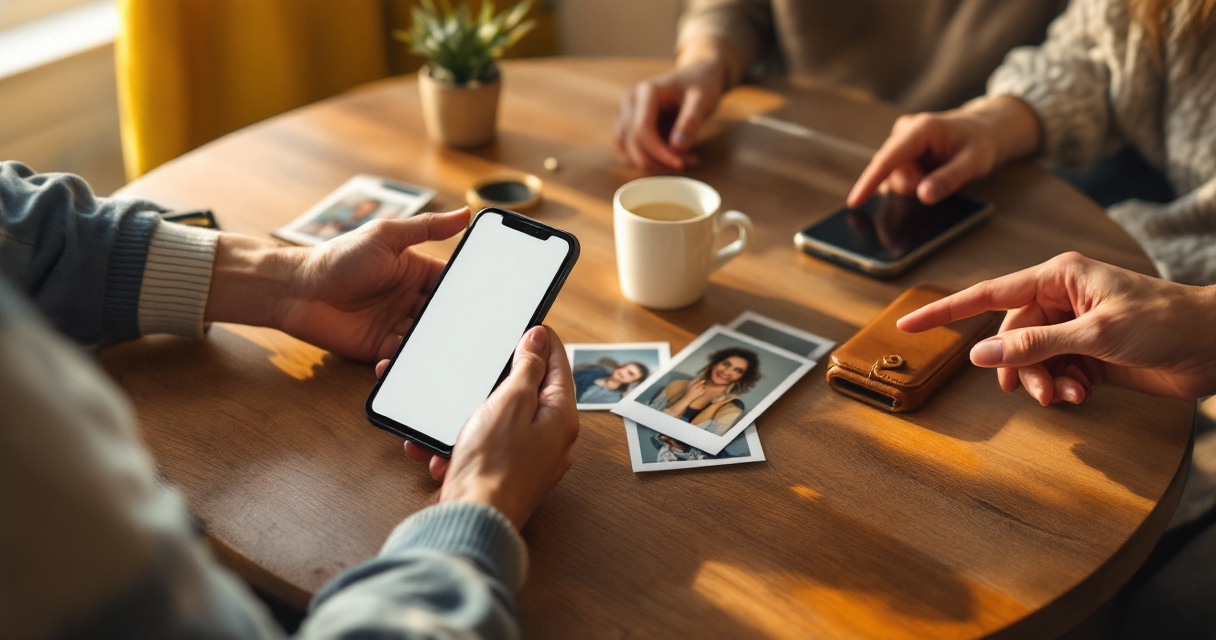
Traditional dating apps depend heavily on user-written bios, photos, swipes, and prompts. Competitor articles in the SERP often focus on friends taking over a profile, which can be funny, but risky. Friend-backed dating is different: your friends contribute evidence, not control.
Friend-backed profiles versus standard dating profiles
| Feature | Standard dating profile | Friend-backed dating profile |
|---|---|---|
| Main voice | Self-written | Self-written plus friend endorsements |
| Trust signal | Photos, prompts, verification badges | Social proof from people who know the dater |
| Friend role | Usually none | Invited to describe real-life qualities |
| User control | User controls profile | User controls profile and approves endorsements |
| Best for | Fast browsing and casual discovery | Intentional dating, authenticity, values, safety signals |
| Common weakness | Bios can feel generic or exaggerated | Endorsements must be specific to feel credible |
A friend-backed profile can also make the first message easier. Instead of opening with "hey," a match can ask about something your friend mentioned, such as your cooking, volunteer work, marathon training, or suspiciously strong opinions about tacos.
If your goal is a more serious connection, compare this model with the traits listed in Dating App for Intentional Relationships: What to Look for in 2026. Friend-backed proof works best when it supports a clear dating intention, not when it decorates a vague profile.
Who benefits most from friend-backed dating
Friend-backed profiles are especially useful for people who feel awkward writing about themselves. Many kind, interesting people turn into boiled potatoes when asked to "say something fun." Friends can translate your real-life charm into plain language.
This model works well for:
- Busy professionals who want faster trust signals
- Introverts who undersell themselves in bios
- Intentional daters who care about values and consistency
- People burned out by swipe fatigue who want more context
- Safety-minded users who prefer social proof before meeting
Friend-backed dating is not magic. You still need good photos, honest preferences, respectful messages, and a real conversation. Social proof opens the door; you still have to walk through it without saying "so what are you?" as your first question.
What privacy and consent rules make friend endorsements safe?
Friend-backed dating profiles are safest when the dater chooses who can contribute, reviews every endorsement before it appears, and can remove endorsements at any time.
Consent matters because friend input can reveal personal details. A good endorsement says you are thoughtful, consistent, or hilarious under brunch pressure. It should not reveal your workplace, address, private health information, financial details, past trauma, or anything your future date does not need before ordering appetizers.
Privacy checklist before publishing endorsements
Use this checklist before any friend-backed note goes live:
- Ask the right friend: Choose someone honest, kind, and discreet.
- Set boundaries: Tell them what topics are off-limits.
- Review first: Never publish friend content without approval.
- Avoid identifiers: Skip workplace names, home neighborhoods, and private routines.
- Keep it current: Endorsements should reflect who you are now, not your 2018 chaos arc.
- Remove anytime: You should be able to hide or delete an endorsement if it no longer fits.
For broader safety habits, pair friend-backed proof with practical verification steps from Dating App Safety 2026. Safety is not one feature; it is a stack of smart choices.
How optional checks fit into the trust layer
Some platforms also offer optional trust signals beyond friend endorsements, such as background or credit health checks. These can support more intentional dating when handled with clear consent, transparent labeling, and user choice.
With Lovebird dating app, friend input is one part of a broader trust-first dating experience. The goal is not to turn dating into a courtroom deposition. The goal is to help people feel more confident that the person on the profile is real, socially known, and intentional.
FAQ about friend-backed dating profiles
Friend-backed dating profiles raise practical questions about control, awkwardness, safety, and whether endorsements actually help matches understand you faster.

Do friends control my dating profile?
No, in a well-designed friend-backed system, friends do not control your dating profile. They contribute endorsements or answers to prompts, but you decide who gets invited and what appears publicly. That distinction matters. Friend-backed dating is social proof, not handing your best friend a tiny romantic dictatorship.
What if my friend writes something embarrassing?
You should be able to review, reject, edit, or remove an endorsement before it appears. The safest approach is to give your friend guidance first: keep it kind, specific, and date-relevant. Funny is welcome. "Remember Vegas?" is not a dating strategy, it is evidence suppression.
How many friend endorsements should a profile have?
Most profiles do not need a crowd. A few strong endorsements from people who know you well are better than many vague notes. Aim for range: one friend who can speak to your character, one who knows your social style, and one who understands what you are like in relationships or close friendships.
Can friend-backed profiles help with safer dating?
They can help, but they should not be your only safety tool. Friend endorsements add social context, while verification, careful messaging, public first dates, and personal boundaries still matter. A vouched-for profile may feel more trustworthy, but you should still use common sense before sharing personal details or meeting offline.
Conclusion
Friend-backed dating works because it makes online dating feel a little more like being introduced by people who actually know you. You still tell your own story, but friends add the receipts: how you show up, what you value, and why someone should take you seriously.
If you want to try this model, start small. Pick two trusted friends, ask for specific endorsements, review everything before it goes live, and keep private details private. Then use those trust signals to start better conversations and plan better first dates.
To see how friend-backed profiles are being built for intentional dating, visit thelovebird.co and explore how the Lovebird dating app helps friends vouch without turning your love life into a group project.